
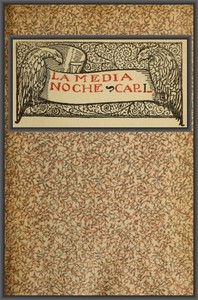
La media noche: visión estelar de un momento de guerra by Ramón del Valle-Inclán
If you're expecting a plot full of twists and turns, you might be surprised. La media noche is incredibly focused. The entire story unfolds over a single, tense night. A small band of Carlist soldiers, exhausted and defeated, takes shelter from the bitter cold in a humble barn. Outside, the war rages on, but inside, there is only waiting. The 'action' is the slow passage of time, marked by the changing guard, shared memories, and the oppressive silence broken by distant sounds.
The Story
We follow these men—some named, many just faces in the dark—as they grapple with their situation. There's no grand mission here. Their goal is simple: survive until morning. The drama comes from their interactions. Some are superstitious, seeing omens in the shadows. Others are pragmatic and weary. Conversations drift to home, to fear, to why they're even fighting. The night itself becomes a character, a vast, cold entity that presses in on them. The 'vision estelar' or 'stellar vision' of the subtitle hints at this: it's as if we're looking down from the cold, distant stars on this tiny, fragile pocket of human struggle.
Why You Should Read It
I loved this book for its sheer atmosphere. Valle-Inclán has a way of making you feel everything. You shiver with the cold, you jump at a sudden noise, you feel the heavy fatigue of the sentry. It’s a masterclass in mood. But more than that, it strips war down to its bare essence. Without the glory and noise, what's left? Just scared, tired men trying to make sense of chaos. The characters aren't heroes; they're survivors, and that makes them deeply human. It made me think about all the untold hours of war—the boring, terrifying, quiet hours that history books skip.
Final Verdict
This is a book for the patient reader and the mood-reader. It's perfect for anyone interested in psychological portraits, historical fiction that feels immediate, or Spanish literature from the Generation of '98. If you enjoy stories that explore the human condition under extreme pressure, like Hemingway's shorter war works or the claustrophobic tension of a great play, you'll find a lot to love here. It's a short, potent shot of literary atmosphere that stays with you long after the last page.
This work has been identified as being free of known copyright restrictions. Use this text in your own projects freely.

James Williams
3 months agoHigh quality edition, very readable.