
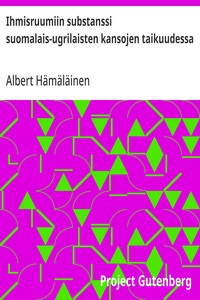
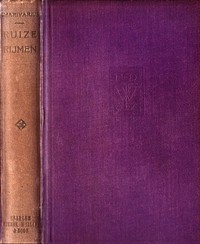
Ihmisruumiin substanssi suomalais-ugrilaisten kansojen taikuudessa by Hämäläinen
Ever wondered what magic looked like before it was polished for books and movies? Albert Hämäläinen’s work takes you straight to the source. Written in the early 20th century, this isn't a story with a plot, but a careful collection of beliefs. Hämäläinen acted like a salvage historian, gathering pieces of Finno-Ugric magical traditions that were fading fast. He traveled, listened, and read everything he could to answer one big question: How did these cultures see the physical human body as a source of power?
The Story
There’s no main character here except the collective wisdom of dozens of peoples, from the Finns and Sami to the Khanty and Mansi. The ‘story’ is the pattern Hämäläinen finds. He shows how, across a huge geographic area, people shared a belief that substances from the body were potent. A lock of hair could be used in a love spell or to curse someone from afar. Spit had protective qualities. The impression of a footprint could be used to heal or to harm. The book organizes these practices, showing the logic behind them. It reveals a world where nothing from the body was truly waste—everything was a potential link to the spiritual realm, a way to influence health, luck, and relationships.
Why You Should Read It
This book does something special. It makes the distant past feel immediate and strangely personal. Reading about a spell that uses fingernail clippings makes you look at your own hands differently. Hämäläinen’s passion is clear; he isn’t just cataloging oddities, he’s trying to preserve a complete worldview. You get a sense of the deep, intimate connection these traditions had with daily life. Magic wasn't for special occasions; it was woven into childbirth, farming, healing, and conflict. It’s a humbling reminder of how many rich ways there are to understand our existence.
Final Verdict
This is a niche book, but a brilliant one. It’s perfect for folklore enthusiasts, writers looking for authentic magical systems, or anyone with roots in Northern Europe or Siberia curious about their ancestral heritage. It’s also great for readers who love ‘idea history’—books that explore how people used to think. Be warned: it’s an academic text, so it’s dense. But if you’re willing to take it slow, the insights are absolutely worth it. You won’t find dragons or wizards here, but you will find something more compelling: the real magic people believed was in themselves.
Legal analysis indicates this work is in the public domain. It is now common property for all to enjoy.
Lisa Young
1 year agoGreat reference material for my coursework.
Charles Hernandez
2 years agoA bit long but worth it.
Paul Robinson
2 weeks agoSurprisingly enough, the narrative structure is incredibly compelling. A true masterpiece.

George Flores
2 months agoPerfect.