
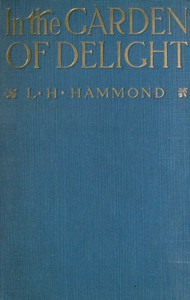
In the Garden of Delight by Lily Hardy Hammond
Published in 1916, Lily Hardy Hammond's novel is a quiet gem that explores the inner life of a woman at a crossroads, wrapped in the manners and constraints of early 20th-century high society.
The Story
Sylvia Lacey is young, beautiful, and engaged to the wealthy and well-respected Arnold Kemp. Their future home, a stunning estate named 'The Garden of Delight,' symbolizes the life of ease and social standing she is expected to want. Yet, as the wedding approaches, Sylvia is plagued by a deep sense of unease. She finds herself drawn not to the glittering social whirl, but to simple moments of genuine connection and to the intellectual companionship of a family friend, John Maynard, who sees her as more than just a decorative fiancée. The plot follows Sylvia's internal struggle as she weighs societal duty against personal authenticity, asking herself what true happiness and fulfillment really look like.
Why You Should Read It
What grabbed me was how Hammond makes Sylvia's quiet anxiety so palpable. You feel the weight of every polite expectation. This isn't a story of dramatic rebellion; it's about the subtle erosion of self. Sylvia's conflict is internal, and Hammond writes it with incredible empathy. The supporting characters, from the oblivious but kind Arnold to the more perceptive John, aren't villains or heroes—they're people shaped by their own time and roles, which makes the societal pressure feel even more real and inescapable. The book is a slow, thoughtful look at a question we all face: How much of our life is truly our own choice?
Final Verdict
Perfect for readers who love character-driven stories and historical fiction that focuses on emotional truth over grand events. If you enjoyed the nuanced social observations of Jane Austen or the interior journeys in the novels of Willa Cather, you'll find a lot to love here. It's a short, poignant read that proves some dilemmas—especially those of the heart and identity—are truly timeless.
No rights are reserved for this publication. Knowledge should be free and accessible.

Ava King
11 months agoNot bad at all.